Stem Cell Therapy for Wrist Injuries and Repetitive Strain

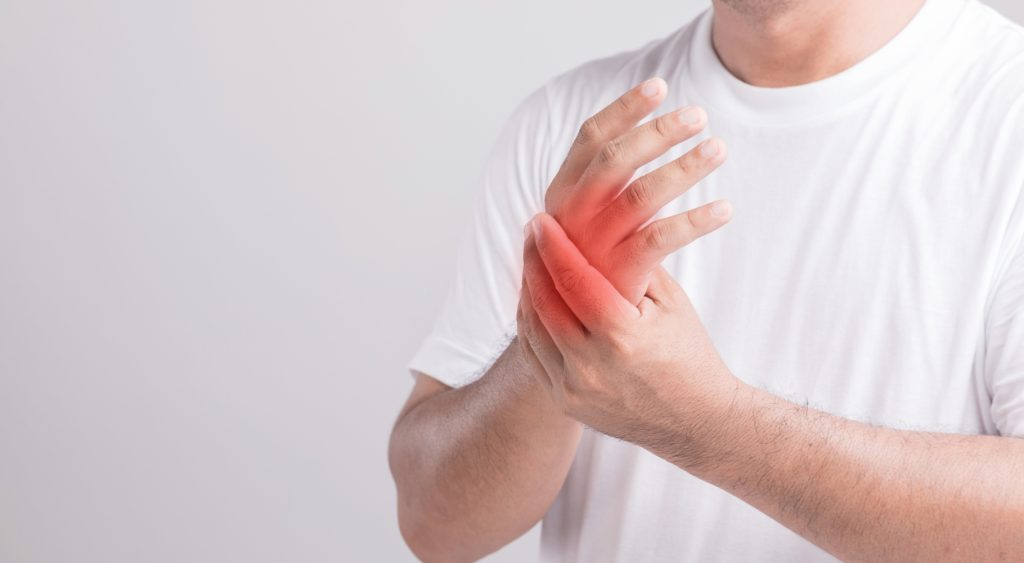
The wrist is small, intricate, and unforgiving when something goes wrong. A modest tendon tear, chronic inflammation around the thumb side, or a cartilage injury in the joint can turn ordinary movements into a daily negotiation. Typing, lifting a pan, opening a jar, pushing up from a chair, even sleeping with the wrist bent awkwardly can all become aggravating. For athletes, musicians, mechanics, dentists, hair stylists, coders, and anyone who spends long hours with the hand in repetitive positions, wrist trouble is rarely just a nuisance. It can interrupt work, training, income, and independence.
That is why Stem Cell Therapy has attracted so much attention in orthopedics and sports medicine. Patients often arrive after months of splinting, anti inflammatory medication, activity changes, hand therapy, and corticosteroid injections. Some are trying to avoid surgery. Others want to know whether a biologic treatment could improve healing rather than simply suppress symptoms. The interest is understandable, but the subject needs a clear-eyed discussion. The wrist is not one injury. It is a crowded neighborhood of tendons, ligaments, nerves, bones, cartilage, and joint surfaces, and each structure behaves differently when injured.
A sensible conversation about Stem Cell Therapy starts there, with anatomy, diagnosis, and the limits of what the treatment may or may not do.
Why wrist injuries are so stubborn
Unlike the knee or shoulder, the wrist does not get much forgiveness from swelling, scar tissue, or small changes in mechanics. It contains multiple small joints that must glide together precisely. Several major tendons cross through tight spaces, especially around the dorsal compartments and the carpal tunnel. Fine motor tasks demand stability and mobility at the same time. That combination is part of what makes repetitive strain so hard to calm down once it has taken hold.
A patient with dorsal wrist pain after years of racquet sports may describe a dull ache that only shows up late in a match. Another with repetitive keyboard work may feel burning or stiffness on the thumb side after a few hours at a desk. A weightlifter can have sharp pain during loaded wrist extension. A golfer may point to the ulnar side and say the pain appears on impact. These sound like variations of the same problem, but they may reflect tendon degeneration, tenosynovitis, scapholunate ligament injury, triangular fibrocartilage complex injury, cartilage wear, occult ganglion irritation, or nerve compression. Treatment depends on separating those possibilities rather than applying the same label to all of them.
That matters because Stem Cell Therapy is not a universal fix. If the pain is driven mainly by poor workstation mechanics and irritated tendons, then ergonomics and loading strategy may matter more than any injection. If there is a complete ligament rupture causing instability, regenerative medicine alone may not restore the needed structural tension. If advanced arthritis has already changed the joint surface substantially, a biologic injection may help pain for some patients, but it will not rebuild a normal wrist.
What Stem Cell Therapy actually means in clinical practice
The phrase sounds straightforward, but patients are often surprised to learn how broad it is. In orthopedic settings, Stem Cell Therapy usually refers to a procedure that uses cells harvested from the patient, most commonly from bone marrow aspirate, and then concentrates or processes that material before injecting it into a target area. Bone marrow aspirate concentrate, often shortened to BMAC, is one of the most commonly discussed options. Some clinics also discuss adipose derived cell preparations, though the regulatory environment and processing methods vary by region.
The intent is not that the cells simply “turn into” a new tendon or ligament after injection. That is a common oversimplification. The more defensible way to think about it is that these biologic preparations may influence the healing environment. They contain cells, signaling molecules, and growth factors that may modulate inflammation and support tissue repair under the right conditions. How much benefit that produces in a specific wrist condition remains an active area of study.
This is where expectations often need adjustment. A patient with chronic de Quervain’s tenosynovitis who has failed standard treatment may hear “stem cells” and imagine rapid regeneration. In reality, even if a biologic injection helps, the response is usually gradual. Tendons and ligaments heal slowly. The wrist continues to be used constantly. And if the original overload pattern continues without modification, symptom relief can fade.
The wrist problems where Stem Cell Therapy enters the conversation
Some conditions are more plausible candidates for biologic treatment than others. The strongest clinical judgment comes from matching the treatment to the tissue involved, the chronicity of the injury, imaging findings, and the patient’s goals.
Tendinopathy is a frequent reason patients ask about Stem Cell Therapy. Chronic extensor carpi ulnaris irritation, flexor tendon overuse, or stubborn thumb side tendon problems may develop degenerative changes over time. In these cases, the issue is not always dramatic inflammation. Often the tendon becomes disorganized, thickened, and painful under load. Traditional care focuses on graded rehabilitation, movement changes, and sometimes injections. A biologic approach may be considered when symptoms persist despite a solid course of conservative treatment.
Partial ligament injuries are another area of interest. The wrist depends heavily on ligament integrity for stability, and small disruptions can create outsized symptoms. A partial tear of certain ligaments, if carefully diagnosed, might be considered for biologic injection as part of a broader plan. That said, instability is the key word. If the wrist is mechanically unstable, meaning the bones are not maintaining proper relationships under load, the threshold for surgery may be lower.
Cartilage and joint surface problems are more complex. A younger patient with a focal cartilage issue or early degenerative change may ask whether Stem Cell Therapy can help preserve the joint. Some clinicians may consider it in selected cases, especially when the goal is symptom management and delay of more invasive intervention. Still, advanced arthritic destruction is not the same thing as a small, contained injury. The more severe the structural damage, the less realistic it is to expect a biologic injection to restore normal anatomy.
The triangular fibrocartilage complex, often called the TFCC, deserves mention because it is a common source of ulnar sided wrist pain. Some injuries are central, some peripheral, and the blood supply differs by location. That affects healing potential. Peripheral tears may have a better environment for healing than central ones. Whether Stem Cell Therapy has a role depends on the exact lesion, stability, and the patient’s symptom pattern.
A careful workup matters more than the buzz around the treatment
When a patient says, “My wrist hurts and I want stem cells,” the next step should not be a needle. It should be a proper diagnosis.
A thorough exam can often narrow the issue quickly. Where is the pain located, radial, dorsal, volar, or ulnar? Is there clicking, weakness, numbness, or night pain? What movement provokes symptoms, loaded extension, pronation, ulnar deviation, thumb abduction, gripping, impact? Has there been a prior fracture, inflammatory arthritis, diabetes, or smoking history? What happened with bracing, therapy, or previous injections?
Imaging should match the suspected problem. Plain radiographs can reveal alignment issues, fractures, arthritis, or subtle instability. Ultrasound can be useful for tendons, dynamic assessment, and injection guidance. MRI may help with ligament injuries, TFCC pathology, occult ganglion cysts, and marrow changes, though MRI findings and symptoms do not always line up perfectly. In practice, the best decisions come from combining the history, examination, and imaging instead of relying on a single scan finding.
This is one of the common pitfalls in regenerative medicine. Patients sometimes get offered procedures based on a vague pain pattern without a firm diagnosis. The wrist is too complicated for that. Precision matters.
What the procedure typically involves
Most orthopedic Stem Cell Therapy procedures for the wrist use image guidance, usually ultrasound and sometimes fluoroscopy depending on the target. If bone marrow aspirate is being used, marrow is commonly obtained from the pelvis. The sample is processed, then injected into the injured region. In experienced hands, this tends to be an outpatient procedure.
Discomfort varies. The aspiration site often bothers patients more than the wrist injection itself for the first day or two. Post procedure protocols differ, but many clinicians recommend a period of relative protection followed by progressive rehabilitation. This is not a treatment you should pair with immediate overuse. The biology needs a chance to work, and the tissues still need the right loading progression.
Recovery is usually measured in weeks to months, not days. Some patients feel irritated at first before they improve. That is not unusual after certain injections, but it needs to be distinguished from a complication or a worsening of the underlying condition.
What the evidence says, and what it does not
This is the part that often gets flattened into marketing, which does patients no favors.
The broad idea of using biologic therapies for musculoskeletal injury has scientific rationale, and there is growing research in orthopedics. But the evidence for wrist specific conditions is still more limited than many people assume. Studies tend to be small, use different cell preparations, target different diagnoses, and measure outcomes in different ways. That makes sweeping claims unreliable.
For some chronic tendon and soft tissue problems, biologic injections may offer pain relief and functional improvement in selected patients. For certain ligament or cartilage related complaints, there may be a role, but the data are not yet strong enough to treat every chronic wrist problem as a clear indication. The strongest statement a responsible clinician can make is usually that Stem Cell Therapy may help some properly selected patients, but it is not guaranteed, and it should not replace careful diagnosis, hand therapy, ergonomic correction, or surgery when surgery is clearly indicated.
Patients appreciate honesty on this point. Most are not looking for miracles once the situation is explained plainly. They want to know whether the treatment is reasonable, what the odds are, what alternatives exist, and what a failed attempt would cost in time and money.
Who may be a reasonable candidate
The most suitable candidates tend to share certain features, even though there is no single perfect profile.
- They have a clearly identified wrist structure causing pain, such as a tendon, ligament, or focal joint area.
- They have already completed a meaningful trial of conservative care, often including splinting, therapy, activity modification, and guided exercise.
- Their condition is persistent but not so structurally advanced that surgery is obviously the better option.
- They understand that improvement is not immediate and that rehabilitation still matters.
- They have realistic goals, such as reducing pain and improving function, rather than expecting complete tissue restoration in every case.
That last point is especially important. A graphic designer with chronic radial wrist pain may be thrilled to return to a full workday without flare ups. A climber may accept some residual soreness if grip endurance and confidence improve. A concert pianist may need a much higher threshold of fine control and may weigh options differently. Success is not a single number. It depends on the person and the task.
Repetitive strain deserves its own strategy
Repetitive strain injuries are not just medical problems. They are often workflow problems, equipment problems, and pacing problems. This is where even very promising treatments can underperform. If the wrist is being asked to absorb the same poorly distributed load twelve hours a day, the biology is fighting uphill.
I once saw a pattern repeatedly in office workers and digital artists. They would improve somewhat with therapy, then flare again within two weeks of returning to the same desk setup. The mouse was too large or too small, the forearm was unsupported, the chair height forced wrist extension, and breaks were irregular. The actual treatment plan that worked best was not glamorous. It combined temporary load reduction, tendon specific rehab, keyboard and mouse changes, forearm support, and strict work intervals for a month. Biologic treatment may have a place in selected chronic cases, but the ergonomics often determine whether any treatment lasts.
The same logic applies outside the office. A tennis player changing string tension, grip size, and training volume may get more durable relief than a player who relies on injections while keeping the same overload pattern. A mechanic may need to rotate tasks or use padded tools. A new parent repeatedly lifting a child with the wrist in radial deviation may need coaching on hand position as much as any medical intervention.
How Stem Cell Therapy compares with other options
Patients rarely choose between treatment and no treatment. They choose between several imperfect options.
Rest and bracing can settle irritated tissue, especially early on, but they do not address chronic degeneration by themselves. Hand therapy is often the backbone of treatment, particularly when the problem involves tendon loading, stiffness, proprioception, or grip mechanics. Corticosteroid injections may reduce pain effectively in some inflammatory conditions, though repeated steroid exposure around certain tendons can be less appealing, especially when tissue quality is already a concern. Platelet-rich plasma, or PRP, is another biologic option that is often considered before or alongside Stem Cell Therapy, depending on the diagnosis and the clinician’s experience. Surgery enters the picture when there is significant structural damage, clear instability, nerve compression, or failure of nonoperative care.
The trade offs are practical. Steroids may work faster for some inflammatory pain but are not designed to promote tissue regeneration. PRP is usually simpler and less invasive than bone marrow based procedures, but it is a different product with different theoretical mechanisms. Stem Cell Therapy may be attractive for certain chronic or difficult cases, yet it is more involved, more expensive, and supported by a narrower evidence base in many wrist conditions than patients often realize. Surgery can be definitive for the right lesion, but it comes with downtime, risk, and rehabilitation demands of its own.
Good care is not ideological. It is a matching exercise.
Risks, costs, and the questions patients should ask
Even when a treatment uses your own cells, it is still a procedure, not a wellness add-on. Infection, bleeding, post procedure pain, and lack of benefit are all possible. Injury to nearby structures is uncommon but relevant in a compact area like the wrist, which is one reason image guidance matters. There is also the opportunity cost of choosing a treatment that delays a more appropriate intervention.
The financial side deserves blunt discussion. In many regions, Stem Cell Therapy for orthopedic problems is not routinely covered by insurance. Fees can be substantial, especially when advanced processing and image guidance are involved. Patients should know exactly what is being proposed, why it is being recommended, and https://felixsfnl211.tearosediner.net/stem-cell-therapy-for-cartilage-repair-latest-insights what the fallback plan will be if symptoms do not improve.
Here are a few useful questions to bring to a consultation:
- What precise structure in my wrist is injured, and how certain is that diagnosis?
- Why do you think Stem Cell Therapy is more appropriate for me than PRP, steroid injection, continued therapy, or surgery?
- Will the injection be image guided, and what biologic preparation are you using?
- What level of improvement do patients with my kind of injury typically achieve, and over what time frame?
- What will rehabilitation look like afterward, and what happens if I do not improve?
Those answers tell you a lot. Specificity is reassuring. Vague promises are not.
The importance of rehabilitation after the injection
One of the least appreciated facts about Stem Cell Therapy is that the injection itself is only part of the treatment. The weeks that follow often decide the outcome.
Tendons need progressive loading. Ligaments need protection from the specific forces that strain them before they are ready. Stiff wrists need motion restored carefully so guarding does not become its own chronic problem. Grip strength has to be rebuilt without provoking the original tissue. For repetitive strain injuries, motor pattern retraining can be just as important as strength.
A common mistake is doing too much too soon because the wrist feels a bit better at week two or three. Another is doing too little for too long and allowing weakness and fear of movement to dominate recovery. The ideal course usually sits in the middle, guided by the diagnosis and symptoms, with clear milestones for load, range of motion, and return to sport or work.
For musicians and athletes, the return phase should be specific. Generic strengthening is not enough for a violinist controlling bow pressure or a gymnast loading the wrist in extension. The final stages of rehab should resemble the real task, gradually and intelligently.
Where this treatment fits in the bigger picture
Stem Cell Therapy for wrist injuries and repetitive strain is neither a miracle nor a gimmick when discussed responsibly. It is a biologic option that may be useful for selected patients with selected diagnoses, especially when standard conservative care has been thorough but incomplete, and when the structural problem is appropriate for a regenerative approach. It is less helpful when used as a shortcut around diagnosis, mechanics, and rehabilitation.
The best outcomes tend to come from settings where the treatment is part of a larger plan. That plan starts with precise evaluation, acknowledges the difference between inflammation and degeneration, addresses workload and ergonomics, uses imaging thoughtfully, and keeps surgical referral on the table when instability or major structural damage is present.
For the patient with persistent wrist pain, that nuance can be frustrating at first. Most people hope for a simple answer. The reality is more useful than simple. A chronically irritated wrist often improves when the tissue diagnosis is accurate, the load is managed intelligently, and any biologic treatment is chosen for a clear reason rather than for its name recognition.
If you are considering Stem Cell Therapy, the question is not whether the field is exciting. The better question is whether your specific wrist problem, at your specific stage of injury, is a sound match for it. That is where good medicine lives, in the details.
Denver Regenerative Medicine | Stem Cell Therapy, HRT, Testosterone Clinic
Address: 155 Boardwalk Dr Ste 400 - #451, Fort Collins, CO 80525
Phone number: +17205831648
FAQ About Stem Cell Therapy Fort Collins
What are the negative side effects of stem cell therapy?
Stem cell therapy can cause mild short-term reactions like injection-site pain, fatigue, and low-grade fever. More serious risks include infection, immune system rejection, blood clots, unintended tissue growth or tumors, and severe complications from unproven treatments at unregulated clinics.
What diseases can stem cells cure?
Currently, stem cells routinely and effectively cure specific blood cancers, immune deficiencies, and blood disorders using established bone marrow or cord blood transplants. Most other applications—such as for Parkinson's, diabetes, or heart failure—remain experimental or in clinical trials rather than proven cures.
Do stem cell treatments really work?
Yes, stem cell treatments work, but only for a very specific group of conditions. Hematopoietic stem cell transplants (bone marrow transplants) are fully proven and widely used to treat blood cancers like leukemia and lymphoma. However, commercial stem cell treatments for joint pain, arthritis, and wrinkles are largely unproven, experimental, and costly.