Fotona Laser Treatments for Restoring Glow and Firmness
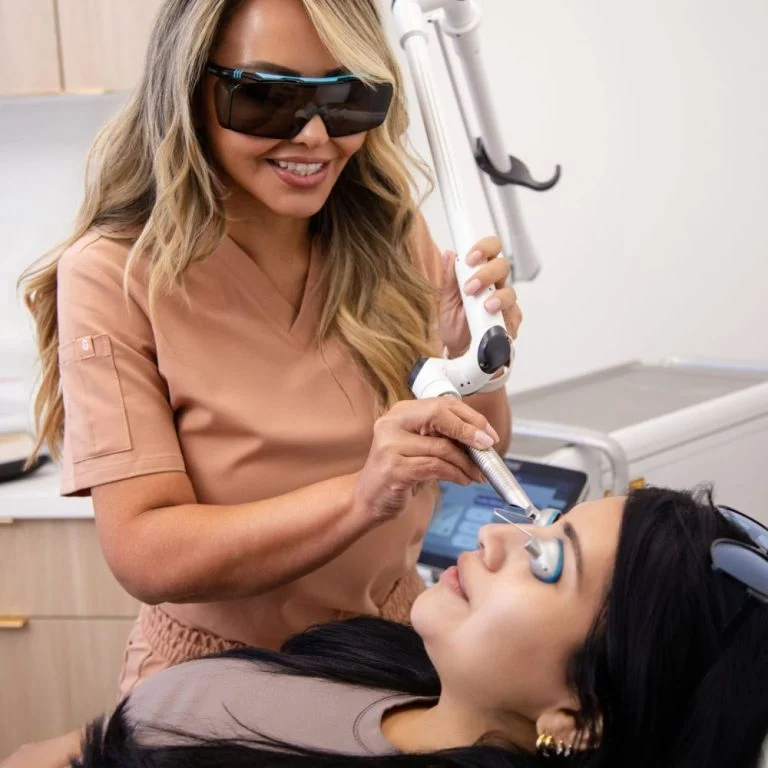
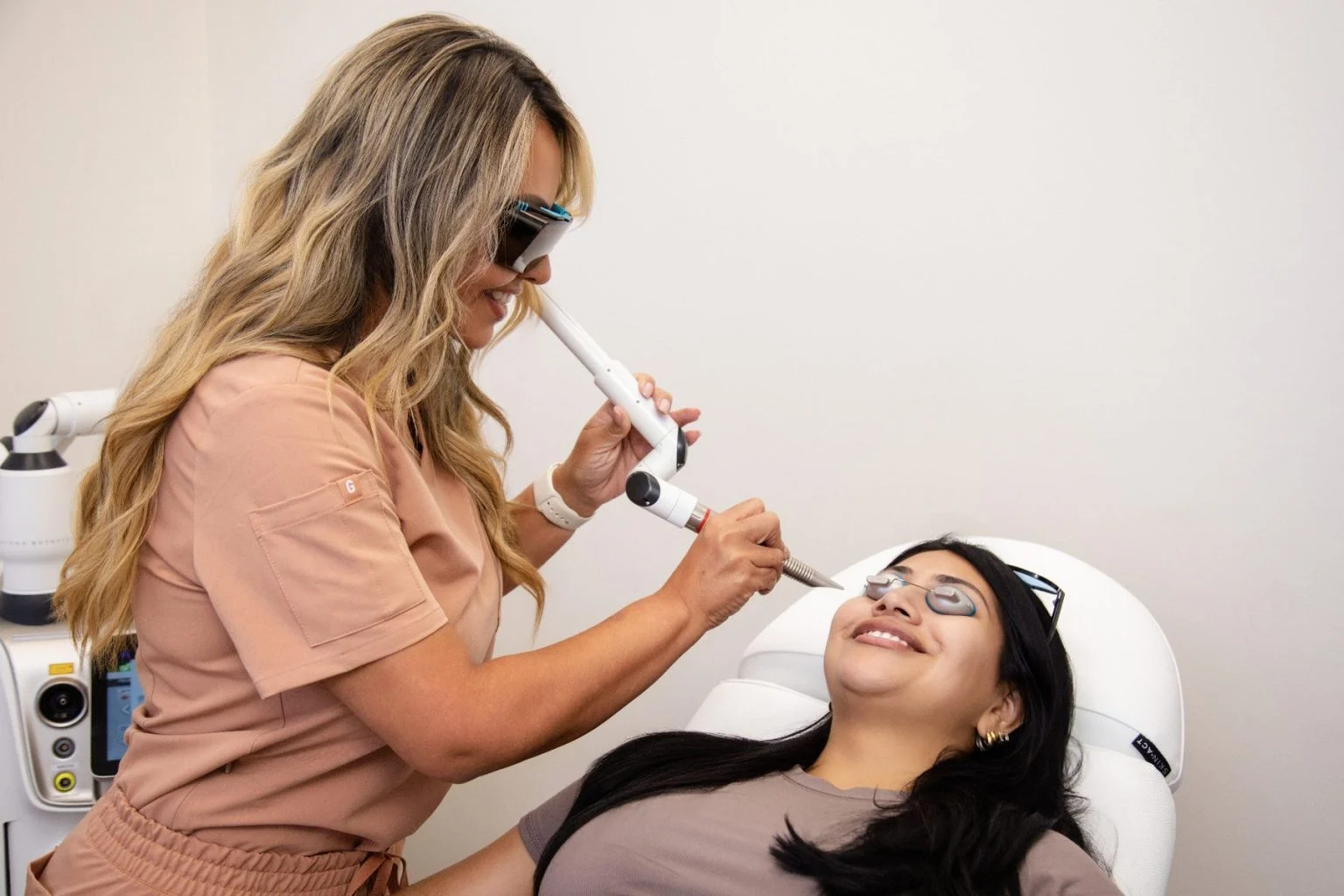
Skin rarely changes all at once. More often, the shift happens in small stages. A little less bounce around the cheeks. Makeup that no longer sits as smoothly. Fine lines that seem more obvious in certain light. A complexion that looks tired even after a full night of sleep. For many patients, the goal is not to look dramatically different. It is to look fresher, brighter, firmer, and more like themselves.
That is where Fotona Laser Treatments have earned real attention in aesthetic practice. They are often chosen by patients who want visible skin improvement without the long downtime associated with deeper resurfacing or surgery. The appeal is practical. Fotona platforms are versatile, physician-directed laser systems used for concerns that commonly overlap, including dullness, mild laxity, enlarged pores, uneven texture, and early signs of collagen loss. When selected well and used skillfully, they can improve both surface quality and deeper tissue support.
The phrase “restoring glow and firmness” sounds simple, but those are two different skin goals. Glow usually comes from better light reflection, smoother texture, improved hydration retention, and reduced buildup of damaged surface cells. Firmness comes from structural change, especially collagen remodeling and tissue contraction. The reason Fotona treatments are discussed so often is that certain protocols aim at both.
What makes Fotona different in real practice
Not every laser does the same job, even when the marketing language sounds similar. Some devices are mainly pigment-focused. Some are vascular. Some are stronger resurfacing tools. Some rely on radiofrequency rather than light energy. Fotona systems are known for combining wavelengths and treatment modes that can be adjusted to target different skin layers.
In clinical settings, two names come up frequently with Fotona: Er:YAG and Nd:YAG. The Er:YAG wavelength is often used for superficial to more intensive resurfacing, depending on settings. It can help refine texture, soften fine lines, and brighten dull skin. Nd:YAG can be used for deeper thermal effects, which matters when the objective is collagen stimulation and mild tightening. That combination is part of why many practitioners use Fotona Laser Treatments as part of layered rejuvenation rather than a single-purpose procedure.
This matters because skin aging is rarely one-dimensional. A patient may have rough texture, early lower-face laxity, crepey under-eye skin, and a complexion that has lost its radiance. If the treatment only addresses the surface, the glow may improve but the skin still lacks snap. If it only heats the deeper tissue, the face may feel a little tighter but still look uneven or tired. The best plans acknowledge both.
Glow is not just brightness
Patients often use the word “glow” to mean healthy-looking skin, but from a treatment standpoint, that result usually comes from several visible changes happening together. A smoother outer layer reflects light more evenly. Pores may look smaller because the surrounding skin is tighter and better organized. Mild roughness softens. Makeup catches less on dry patches. Skin looks less gray and more awake.
One of the practical strengths of Fotona resurfacing protocols is the ability to tailor intensity. Some sessions are performed as very light polishing treatments with minimal interruption to daily life. Others go further, creating a stronger resurfacing effect that may involve several days of visible redness, dryness, and shedding. The patient who wants a pre-event refresh will not need the same plan as the patient trying to address years of photodamage.
A common misunderstanding is that more aggressive always means better. In reality, the “best” treatment is the one that fits the skin condition, tolerance for downtime, season of the year, and long-term goals. A lightly performed series can make more sense than one heavy session, particularly for patients who need gradual improvement with lower social downtime.
Firmness depends on depth, not just polish
Firmness is harder to fake. Creams can improve hydration and temporarily plump the skin, but true tissue support comes from biological remodeling. As collagen and elastin change with age, the skin does not rebound in the same way. It can start to look thinner, looser, and less defined, especially around the jawline, mouth, and lower cheeks.
This is where the thermal component of Fotona Laser Treatments becomes important. Controlled heat delivered to the appropriate depth can stimulate fibroblast activity and trigger remodeling over time. The effect is not identical to surgical lifting, and it should never be presented that way. But for patients with mild to moderate laxity, especially in earlier stages, laser tightening can be a worthwhile option.
Results also tend to build. Some patients leave the first session saying their skin feels smoother right away, but the firmer look usually develops more gradually over weeks and months as collagen response evolves. That delayed gratification can be difficult for patients who expect immediate dramatic change. A thoughtful consultation should set expectations clearly. The right candidate is usually someone looking for improvement, not a total reset.
The consultation is where treatment success is decided
A lot of laser outcomes are determined before the first pulse is delivered. The consultation tells you whether Fotona is a smart choice, whether the patient’s concern is truly treatable by laser, and whether the plan should be conservative or more assertive.
In practice, the most useful conversations are specific. “I want younger skin” is not enough to build a plan. “My cheeks look flat, my skin has become rough, and the lines around my mouth are deeper” is much more helpful. Those details separate issues of texture from laxity and volume loss. That distinction matters because laser can improve some aspects of aging very well, while others may respond better to injectables, surgery, skincare, or a combination.
Skin tone also matters. Not every setting is appropriate for every patient. A practitioner has to account for pigment risk, tanning habits, melasma history, active acne or rosacea, medication use, and whether the patient heals predictably. People who are very prone to post-inflammatory hyperpigmentation need careful planning. So do patients who minimize their sun exposure poorly or expect to return to heavy outdoor activity immediately after treatment.
How a typical treatment plan may be structured
There is no universal Fotona protocol because the platform is used in different ways, but many treatment plans follow a staged logic. One part may target superficial texture and radiance. Another may focus on deeper heating and tightening. Depending on the concern, treatments can be performed in a single session or spread over a series.
Patients often ask how many sessions they need. The honest answer is that it depends on age, baseline skin quality, degree of sun damage, laxity, and how ambitious the goal is. A younger patient with mild dullness and early textural change may notice satisfying improvement after one to three sessions. Someone with more advanced changes may need a series and then maintenance. Skin quality is built over time. It is rarely a one-time event.
The areas treated can also vary. Face is the obvious focus, but neck, perioral lines, under-eye crepiness, and even the décolletage are common targets. The neck deserves special mention because it often reveals age early and responds more slowly than the face. Patients appreciate knowing that up front. It avoids the false impression that every zone will improve at the same pace.
What treatment day usually feels like
Experience varies with settings, but most Fotona sessions are tolerated well when performed appropriately. Lighter rejuvenation treatments often feel warm, prickly, or snappy. More intensive resurfacing may require topical anesthetic and stronger aftercare planning. Some patients describe the deeper tightening phase as a hot, building sensation rather than a sharp pain.
The immediate appearance after treatment can range from mild pinkness to more pronounced redness and swelling. With stronger resurfacing, the skin may bronze, feel rough, and then shed over several days. This is one of the most important expectation points. Patients who were hoping for “lunchtime treatment” and receive a medium-intensity resurfacing session can be caught off guard if the recovery was not explained properly.
A practical pearl from clinic life: people often underestimate post-treatment dryness. They focus on redness, but the tight, parched feeling is what makes the skin most uncomfortable over the next few days. Good barrier support and disciplined aftercare make a major difference.
The trade-off between downtime and result
The most useful way to explain laser rejuvenation is to be honest about the trade. Generally, more visible downtime can produce more visible change, though that is not the only factor. Settings, skin quality, and operator judgment all matter. But broadly speaking, the patient has to choose where they want to sit on the spectrum between convenience and intensity.
Here is a simplified way to think about it:
| Treatment approach | Typical short-term experience | Main benefit | | --- | --- | --- | | Light rejuvenation | Mild redness, minimal interruption | Brightening, subtle smoothing | | Moderate resurfacing | Several days of redness, dryness, flaking | Better texture, more visible glow | | Deeper tightening-focused protocols | Warmth, mild swelling, gradual collagen response | Firmness, mild lift, better skin density | | Combined approaches | Mixed recovery based on settings | Surface polish plus deeper support |
This is why blanket claims about laser results are rarely useful. Two patients can both say they had “Fotona,” yet receive treatments with very different goals and recovery profiles.
Who tends to do well with Fotona Laser Treatments
In broad terms, good candidates are patients with early to moderate signs of aging who want improvement in texture, radiance, and mild laxity without jumping directly to surgery. It can also suit younger patients who are not trying to reverse aging so much as preserve skin quality and stimulate collagen before significant laxity appears.
The strongest candidates are usually realistic, consistent, and willing to protect their results. Laser treatment does not work in isolation. A patient who invests in resurfacing but continues intense sun exposure, irregular skincare, smoking, or frequent picking at the skin will not hold results as well as someone who supports the skin properly.
Certain situations call for more caution. Active infections, some inflammatory skin conditions, recent tanning, uncontrolled melasma, and poor wound healing history may delay treatment or change the plan. It is also important to identify when laxity is simply too advanced for laser alone to satisfy the patient. This is one of the most important judgment calls in aesthetics. The best providers do not overpromise.
Recovery is where outcomes are protected
A technically sound laser session can still disappoint if recovery is mishandled. The first week often determines how comfortable the patient feels and how well the skin settles. The basics are simple, but they matter enormously.
- Follow the aftercare exactly, especially around cleansing, moisturizer use, and sun avoidance.
- Expect the skin to look worse before it looks better if resurfacing was performed.
- Avoid active skincare too soon, including retinoids, exfoliating acids, and harsh scrubs.
- Use broad-spectrum sun protection consistently once the provider says it is safe.
- Report unusual pain, oozing, or prolonged swelling rather than guessing at home remedies.
Most patients do well when they resist the urge to overdo recovery. The skin does not need ten products. It needs calm, hydration, protection, and time.
How results compare with other aesthetic options
Patients often ask whether Fotona is better than microneedling, radiofrequency, chemical peels, or fractional lasers from other brands. The answer depends on the treatment target.
For glow and texture, peels and lighter resurfacing can both help. Peels may be more affordable and useful for certain pigment and surface concerns, but they generally do not offer the same versatility in combining superficial and deeper thermal effects. Microneedling is a solid collagen-support tool and can improve texture and scarring, though the degree of tightening is often modest unless combined with radiofrequency or used in a broader plan. Radiofrequency treatments can be excellent for laxity and collagen support, especially in patients where a non-laser energy device is preferred. Stronger ablative fractional lasers may produce dramatic resurfacing results, but with more downtime and a different risk profile.
What Fotona often offers is range. A skilled provider can use it for subtle maintenance, moderate rejuvenation, or more layered protocols depending on the patient. That flexibility is meaningful in a practice where not every face, age group, or schedule fits a one-size approach.
The role of combination treatment
Some of the best outcomes happen when laser is part of a broader strategy https://www.google.com/maps?cid=15747598012322768060 rather than the only intervention. This is not because laser is weak. It is because facial aging is multi-layered. Skin quality, muscle movement, fat pad changes, bone resorption, vascular changes, and pigmentation all contribute to how a face reads.
A patient bothered mainly by roughness and crepey texture may do beautifully with laser-focused treatment. Another patient may need laser for skin texture, neuromodulator for expression lines, and carefully placed filler or biostimulatory treatment for structural support. The art is knowing when to combine and when to keep it simple.
Overtreated faces usually come from poor restraint rather than too little technology. A good plan respects what the skin can reasonably deliver.
Questions worth asking before booking
Patients do better when they ask practical questions rather than chasing brand names alone. Device quality matters, but operator experience matters at least as much. Before committing, it is reasonable to ask:
- Which specific Fotona protocol are you recommending for my concern?
- What kind of downtime should I realistically expect?
- How many sessions do patients like me usually need?
- What risks are more relevant for my skin tone and history?
- What results are realistic, and what will this not fix?
Those five questions often reveal whether the consultation is thoughtful or superficial. If the answers are vague, overly enthusiastic, or detached from your actual skin condition, that is useful information.
Maintenance matters more than most people expect
One treatment series can improve the skin significantly, but aging continues. Sun exposure continues. Stress, hormones, sleep, and environment all leave their mark. Patients who maintain their results usually adopt a sensible long-term rhythm rather than chasing frequent dramatic treatments.
That rhythm might include periodic laser maintenance, high-quality sun protection, a retinoid if tolerated, barrier support, and occasional adjunctive treatments based on changing needs. The exact routine differs by skin type and age, but the principle is stable. Good skin is usually the result of cumulative care.
There is also a psychological benefit to gradual maintenance. Patients who start earlier, before deep etching and significant sagging set in, often need less aggressive intervention over time. They are preserving skin quality instead of trying to rescue it later.
When Fotona is the wrong tool
No credible discussion of Fotona Laser Treatments should pretend they solve every cosmetic concern. They do not replace surgery for marked laxity. They do not create volume where facial deflation is the main problem. They are not a magic eraser for deep folds caused by structural descent. And they are not interchangeable with all other laser categories.
They can also be disappointing when the treatment plan is chosen for trend value rather than diagnosis. A patient whose biggest issue is heavy lower-face tissue may feel underwhelmed if laser tightening is sold as a lift. Another with untreated melasma may worsen if heat-based intervention is not planned carefully. The best results come when technology follows anatomy and clinical judgment, not marketing momentum.
A balanced expectation of what “restored” looks like
The most satisfying outcomes often look understated. Friends notice that the person looks healthier, more rested, and less worn down, but cannot always identify why. The skin catches light better. The jawline looks a little cleaner. Fine lines soften. There is less crepiness under the eyes or around the mouth. It is not the look of a new face. It is the look of better skin.
For the right candidate, that is precisely the point. Glow and firmness are not separate luxuries. They are core markers of skin vitality. Fotona can address both when the treatment is matched carefully to the person in front of the laser, not the promise on a brochure.
Patients considering this route should look for a provider who evaluates skin quality honestly, explains trade-offs plainly, and builds a plan that respects both results and recovery. When that happens, Fotona becomes more than a brand name. It becomes a useful clinical tool for restoring skin that has begun to look tired, slack, or uneven, and helping it read as stronger, smoother, and more alive.
OMNIA Wellness Center
Address: 16430 Ventura Blvd Ste 207, Encino, CA 91436
Phone number: +18183868511
FAQ About Fotona Laser Treatments
What is a Fotona laser good for?
A Fotona Laser system is a versatile, dual-wavelength medical laser used primarily for non-surgical skin tightening, anti-aging rejuvenation, and dermatological treatments.
How much does the Fotona laser cost?
The cost of a Fotona laser depends heavily on whether you are looking to purchase a laser machine for a medical practice or are a patient seeking a laser treatment at a medspa.
Is a Fotona laser worth it?
A Fotona laser treatment is generally worth it if you want non-surgical skin tightening, improved texture, and collagen stimulation with very little downtime.